
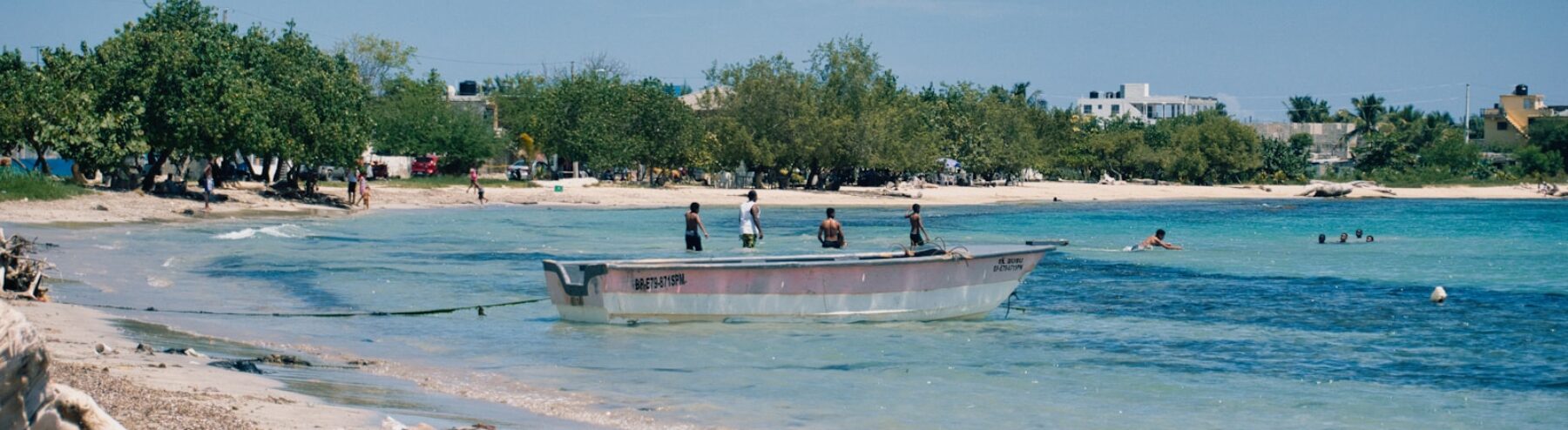
Akumal Safety Guide for Swimming and Snorkeling
Akumal’s beaches are known for calm bays, shallow reefs, and the rare opportunity to snorkel directly from shore. Many visitors choose Akumal specifically for its easy access to marine life and protected swimming areas. Before heading into the water, it’s helpful to understand how local ocean conditions work.
If you’re new to the area, we recommend starting with our guides to snorkeling in Akumal, Akumal’s beaches, and turtle watching in Akumal, which explain where and when ocean conditions are typically best.
There are no lifeguards on duty on Akumal’s beaches, so basic water awareness plays an important role in keeping your experience relaxed and enjoyable.
Stay Close to Shore and Inside the Reef
Akumal is one of the few places along this coast where swimmers can enter from the beach and reach the reef without a boat. This is especially true at bays like Half Moon Bay, which are naturally protected.
Even so, guests should always remain inside the reef break and close to shore. Swimming too far out or beyond the reef can make the return tiring, even for strong swimmers. Start close to shore and only move farther out if you feel calm, relaxed, and fully in control.
For a better understanding of how Akumal’s bays differ from one another, see our overview of the best beaches in Akumal.
Know When Not to Enter the Water
Before entering the ocean, pause for a moment and observe conditions. If the water looks windy or choppy, or if you feel a strong pull while standing in shallow water, it’s best to wait and choose another time.
Only enter the water if you are confident in your swimming ability. If you’re unsure, enjoy the beach from shore or stay in very shallow water.
Swimming with a companion is always recommended. Never swim alone.
Recommended Gear for Swimming and Snorkeling
The right equipment makes swimming and snorkeling more comfortable and less tiring.
A snorkel vest or flotation device is strongly recommended for most swimmers and snorkelers. Water shoes help protect your feet and provide better traction in shallow or rocky areas. A snorkel and face mask allow you to breathe calmly while observing the reef.
If you do not know how to swim, flotation or snorkel gear alone does not make swimming safe.
For more preparation tips, see our guide to snorkeling gear and safety in Akumal.
Coral and Shallow Areas
Akumal’s reef system is close to shore and can be deceptively shallow, especially near coral heads.
Avoid swimming too close to coral and keep your body horizontal while snorkeling. Never stand on the reef. Coral is living, fragile, and can cause scrapes if touched.
Respecting the reef helps preserve Akumal’s marine environment and supports ongoing turtle conservation efforts. Learn more about this in our article on protecting turtles and coral in Akumal.
What to Do If You Feel a Current
Currents can occur even on calm days. If you feel yourself being pulled:
Stay calm and float to conserve energy.
Do not swim against the current.
Signal for help by waving and calling out if needed.
Swim parallel to shore until the pull weakens, then angle back toward the beach.
If the current is gently moving along the shoreline, it may be safer to move with it and walk back once you reach shallow water.
Helping Someone in Trouble
If you see someone struggling, call out for assistance immediately and alert others nearby.
Throw a floating object such as a life ring, pool float, or cooler if available. Avoid entering the water for a direct rescue unless you are trained, as panicked swimmers can unintentionally place rescuers at risk.
Emergency Assistance in Akumal
In case of emergency, dial 911 in Mexico for police, fire, or medical assistance.
When calling, clearly state your location, such as Half Moon Bay or Bahía Media Luna in Akumal, and provide a callback number.
Download the Printable Water Safety Guide
Homeowners and property managers can provide guests with a clear, one-page reference for safe swimming.
👉 Download the Akumal Ocean & Swimming Safety Guide (PDF)